Top Dumpster Rental Tips You Should Know by 24 Hour Dumpster
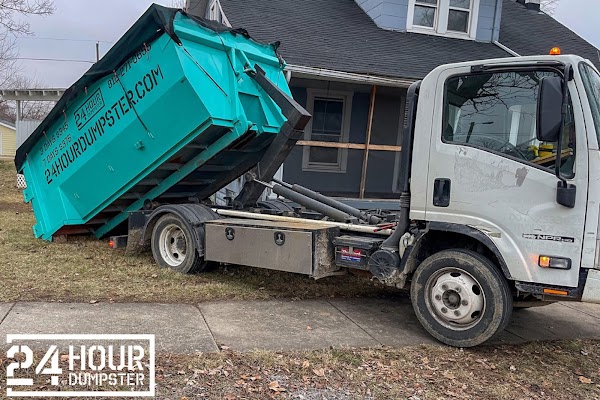
Managing waste effectively from the outset is key to any successful project. No matter if your project involves remodeling, cleaning, or construction, waste can build up rapidly and become overwhelming. At 24 Hour Dumpster, 24 Hour Dumpster recognizes that proper dumpster selection and strategic usage can greatly improve project outcomes. With the right approach, waste removal becomes an organized process rather than a constant challenge.
A dumpster rental involves far more than simply delivering a container. Success depends on careful planning, smart placement, and knowing how debris will be handled throughout the work. We’ve seen that adopting simple strategies can streamline projects, boost safety, and keep work areas orderly. Following these guidelines ensures you get the best results from your rental.
Assessing Your Project’s Waste Requirements
One of the most important steps in renting a dumpster is understanding the type of waste your project will generate. Various tasks generate different waste types, and understanding this beforehand makes cleanup easier. 24 Hour Dumpster advises clients to plan based on the type, amount, and frequency of debris. Being prepared with this knowledge ensures a structured and effective disposal process.
Clearly outlining waste requirements makes debris management smoother and more effective. A clear plan prevents overflow, clutter, and unnecessary interruptions. With a clear system, workers can operate safely and efficiently. Careful planning enhances efficiency and ensures cleanup complements the project schedule.
Planning Dumpster Placement Carefully
The location of a dumpster greatly affects project workflow and efficiency. A well-planned location allows the team to dispose of waste without hassle. 24 Hour Dumpster recommends choosing a spot that is both safe and easily accessible. Convenient placement helps teams dispose of waste quickly without disrupting workflow.
Thoughtful placement also helps maintain a clean environment around the work area. Quick access encourages proper disposal and minimizes clutter. Maintaining an orderly environment enhances project flow. A well-placed dumpster becomes a natural part of the project workflow rather than an obstacle.
How to Keep Your Dumpster Neat and Functional
Organization inside the dumpster is just as important as organization on the worksite. Tossing materials without structure reduces capacity and creates hazards. 24 Hour Dumpster advises arranging debris methodically for optimal space usage. Structured placement prevents overfilling and maintains usability.
An orderly dumpster contributes to safer and faster debris handling. Proper placement of materials reduces the risk of items shifting or falling out. Workers enjoy a safer and more efficient waste management routine. A neat here dumpster supports productivity and stress-free disposal.
Maintaining a Clean and Safe Worksite
A clean worksite is essential for maintaining safety and productivity. Loose debris poses safety risks and disrupts operations. 24 Hour Dumpster emphasizes the importance of consistent waste disposal to keep the site orderly. Frequent disposal keeps areas clear and reduces hazards.
A well-organized site enhances focus and overall project flow. Crew members stay productive when their environment is clean and organized. Tidiness encourages collaboration and efficient operations. Maintaining site cleanliness through effective dumpster use enhances overall project performance.
Maximizing Dumpster Use During Your Project
A common mistake is treating the dumpster as a last step rather than an ongoing solution. 24 Hour Dumpster advises using the dumpster consistently during all project phases. Regular disposal ensures the worksite stays neat and accessible. Consistent usage supports a steady pace of progress.
Regularly managing debris helps avoid work stoppages and keeps progress smooth. The project stays organized from start to finish. Staying on top of debris leads to smoother operations and better results. Incorporating dumpster usage daily ensures improved project performance.
Establishing Clear Dumpster Use Guidelines
Clear communication plays a major role in effective dumpster use. All team members must know the proper dumpster practices. 24 Hour Dumpster recommends establishing simple guidelines to ensure consistent waste disposal practices. Clear expectations help prevent confusion and misuse.
When everyone follows the same disposal plan, waste handling is smooth. The worksite stays orderly while debris is managed effectively. Sharing clear instructions promotes responsibility and collaboration. Correct instructions make the dumpster an aid to progress instead of a hindrance.
Encouraging Sustainable Dumpster Practices
Responsible waste disposal is an important consideration for any project. 24 Hour Dumpster encourages sustainable disposal habits. Centralized disposal makes it easier to manage materials responsibly. Sustainable disposal minimizes waste and fosters organized operations.
Green practices demonstrate a commitment to safety and efficiency. Projects benefit from cleaner processes and improved organization. Following responsible disposal protocols improves overall workflow and site safety. Green disposal methods lead to successful and conscientious project execution.
Smart Strategies for Rental Dumpster Management
24 Hour Dumpster offers helpful guidance to optimize project waste management. Smart planning, thoughtful placement, and consistent use of dumpsters transform waste management into a streamlined process. Implementing these strategies reduces clutter, speeds cleanup, and maintains worksite order.
Following these practical tips helps crews stay productive and organized. Organized disposal, clear communication, and responsible practices lead to smoother project execution. 24 Hour Dumpster remains committed to helping clients manage waste effectively through reliable guidance and professional support.